

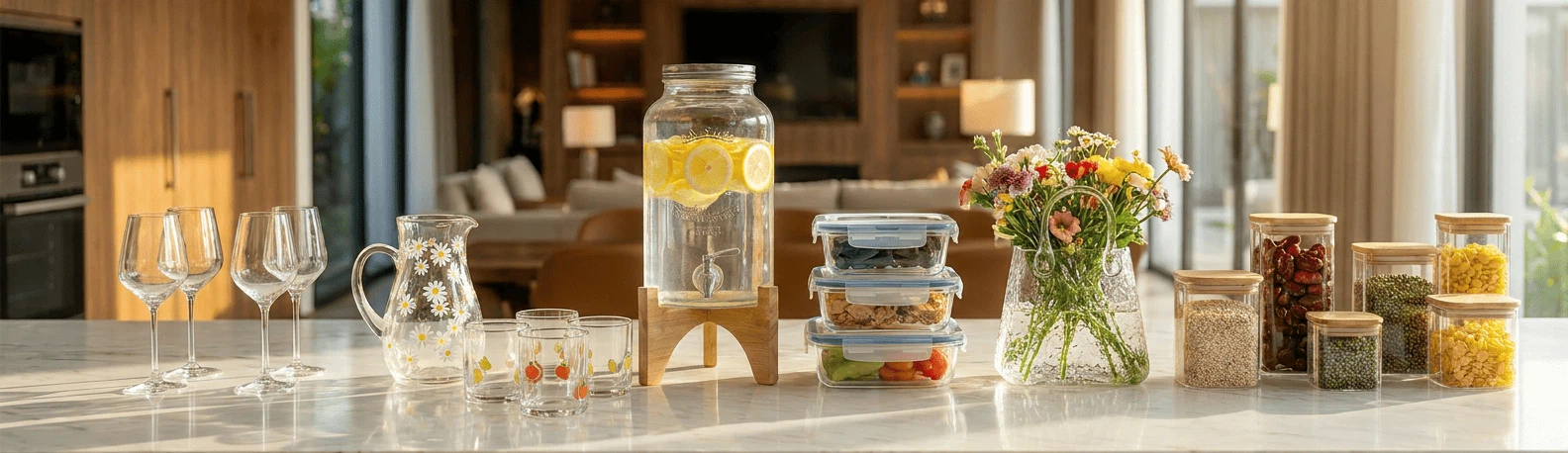
A glass decanter is a vessel that is used to hold the decantation of a liquid (such as wine) which may contain sediment. Glass decanter which have a varied shape and design, have been traditionally made from glass or crystal. Their volume is usually equivalent to one standard bottle of wine. Glass decanters typically have a smaller neck and wider base to allow as much surface area of the wine to come into contact with the air.
-
![Crystal Glass Whiskey Decanter]()
Crystal Glass Whiskey Decanter
Add to Inquiry -
![4 Pack Whiskey Glasses 12 OZ]() Add to Inquiry
Add to Inquiry -
![Crystal Whiskey Glass Barware]() Add to Inquiry
Add to Inquiry -
![Old Fashioned Whiskey Glasses]() Add to Inquiry
Add to Inquiry -
![Whiskey Glasses Set of 4]() Add to Inquiry
Add to Inquiry -
![Crystal checkered Whiskey Glasses]()
Crystal checkered Whiskey Glasses
Add to Inquiry -
![Rocks Square Whiskey Glass]() Add to Inquiry
Add to Inquiry -
![Whiskey Glasses]() Add to Inquiry
Add to Inquiry -
![Whiskey Decanter with Glass Stopper]()
Whiskey Decanter with Glass Stopper
Add to Inquiry -
![Whiskey Decanter for Scotch Liquor Bourbon]()
Whiskey Decanter for Scotch Liquor Bourbon
Add to Inquiry -
![ZGS Glass Horn Wine Decanter]() Add to Inquiry
Add to Inquiry -
![Wine Decanter Carafe]() Add to Inquiry
Add to Inquiry

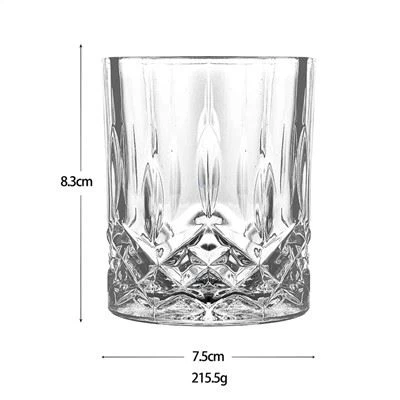
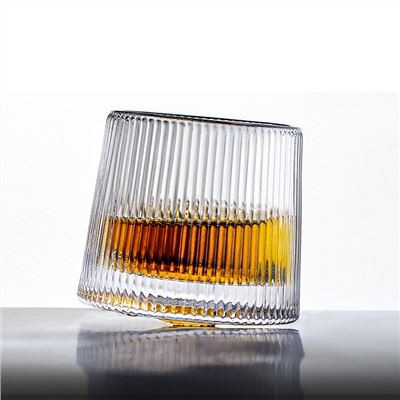
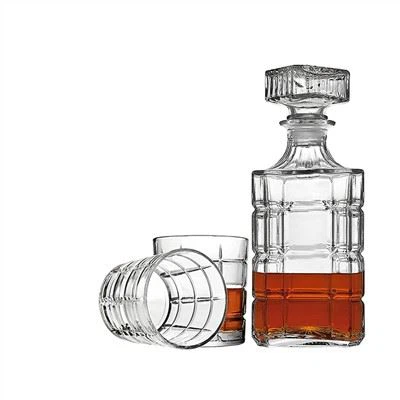
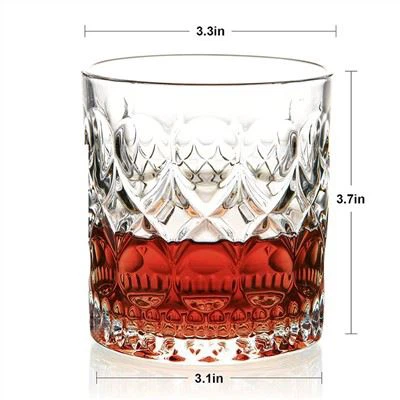
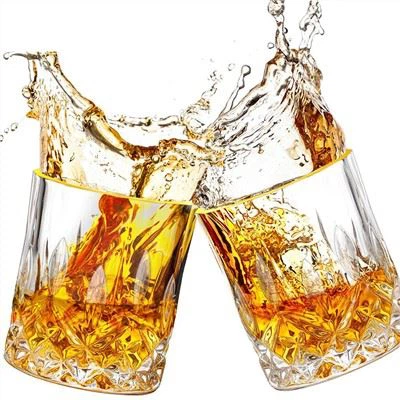

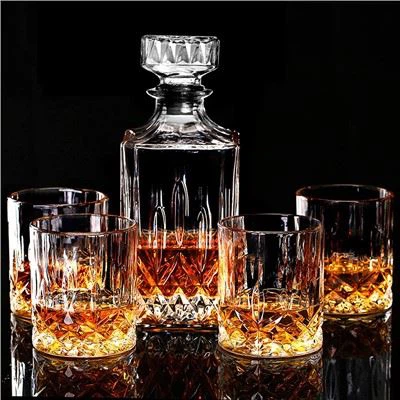


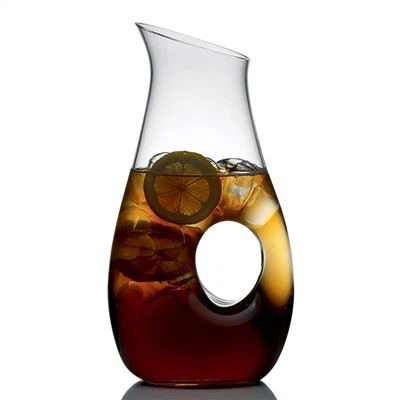
The benefits of glass decanter are clear: It's sustainable, being 100% and infinitely recyclable, reusable, and refillable. It's inert, with no synthetic chemicals, making it safe to store food and drinks in. Glass decanters also a beautiful, iconic material, and consumers love it.
Glass comes from nature
Glass decanter is made from naturally occurring ingredients abundant in nature. The unique alchemy of sand, soda ash, limestone, and recycled glass continue to work its magic to create a wonderful material loved by people over the world. No other material or chemical layers are needed to complete it.
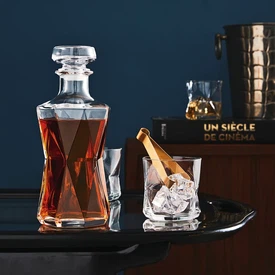
Glass is 100% recyclable and infinitely
Glass decanter is 100% recyclable and can be recycled endlessly with no loss in quality or purity. Glass recycling is a closed loop system, creating no additional waste or by-products. It is one of the very few examples where the same material can be recycled over and over again without loss of quality.
Glass decanters can be reused: They can have up to 50 lives
Glass decanters and jars can also be reused and refilled before being recycled into a new bottle at the end of their lives – making glass the leading reusable option for food and beverage consumers around the world, particularly in local markets. Reusing glass decanters reduces the overall impact and combined with recyclable solutions, it increases the sustainable value of glass many times over.
Glass is good for consumers' health
Glass is virtually inert and impermeable, making it the most stable of all packaging materials. There is no risk of harmful chemicals getting into the food or drinks that are glass decanter. No additional barriers or additives are needed.

Functionally, glass decanters allow your wine to breathe, but they also serve an aesthetic purpose. Once a wine is decanted, it is generally served out of the glass decanter, so it's important to choose a design that you'll be happy to see on your table. But, here are some other factors to consider:
To decant quickly, look for a vessel with a large base (the narrower the glass decanter, the less oxidation happens).
Durability and design are also important. Many glass decanters are tall and delicate. While these can be beautiful, they're also difficult to clean and may break easily.
Glass decanters with an angled spout are easier to pour. The wine will naturally flow out of the tip of the spout, and the flow will stop without dripping when the glass decanter is tilted upright.
Most glass decanters are made from glass or crystal. Crystal glass contains minerals, which add strength, but these glass decanters are often thicker and heavier. Many modern glass decanters are made from borosilicate glass, which is heat- and breakage-resistant.
Aluminum or other metal glass decanters should be avoided, as they could react with the wine and alter its flavor.
How To Protect Glass Decanter In Storage?
When you think of goods in a storage unit, you think of sturdy items like furniture, beds, and dressers. They all have their own protection needs, but glass is not something everyone considers, even though most of us have some sort of glass decanter in our homes. It may be our dressing table mirror, a glass tabletop, painting frames, or decorative pieces. If you take proper precautions and pack them the right way, glass decanter can be safely put away in storage for months or even years. Here are five tips for keeping your glass decanter safe.
Pack glass decanter individually
In a bid to save time, it may seem like a good idea to bundle glass pieces together and pack them, but they will shatter at the slightest touch. Each glass item should be packed separately, with a generous amount of bubble wrap. Make sure to tape the bubble wrap securely so that it doesn't move or come off.
Pack small pieces tightly
Smaller items like glass decanters can be packed together in one box. After you've wrapped each piece with bubble wrap, fill the box with packing peanuts, newspaper shreds, or wood shavings and place all your small glass decanter in there. A plastic container or sturdy crate will work if you don't have any boxes.
Avoid heights
Placing your plastic box or crate on a high shelf is not a good idea. If it were to slip while you took it down, your items could break. It's best to keep the box on the floor, safely out of the way.
Don't stack
Larger pieces of glass decanter, should never be stacked on top of one another, even when individually wrapped in bubble wrap and cloth. Stacking can leave scratches on the glass. Always place flat glass on its side because its molecular structure is the strongest on its side.
Use labels
Always label your boxes and cartons. Make the labels as clear and detailed as you can so you won't open the wrong box when you're unpacking. Label all the glass with "fragile" and "this side up" written on the side to make sure you remember to take extra care with them.
Safely store your glass decanter
Storing your glass decanter without damaging them is possible; it just takes some preparation and careful handling. If you pack your items individually, place small items with filler, don't stack, store on the ground, and use labels, your glass decanter can safely remain out of the way out of harm.
The Process of Decanting with Glass Decanter
A glass decanter is a glass vessel that is used to help aerate wine. It typically has a smaller neck and a wide base to allow for as much surface area of the wine to come in contact with the air as possible. To decant a wine, you must slowly pour the wine from the original bottle into the glass vessel (glass decanter) without disturbing any sediment at the bottom of the wine bottle. It does take some skill to perform this task, which is why you may not get the best pour your first time, but it will eventually come naturally with some practice.
To properly decant your wine, you should follow a few simple steps.
1. 24 hours before you wish to decant your wine, set the bottle upright on a flat surface to allow all of the sediment to gather at the bottom of the bottle.
2. Once you're ready to decant the wine, open the bottle and slowly tilt the bottle and begin pouring the wine into the glass decanter. Be sure to keep the bottom of the bottle as low as possible to help prevent the sediment from reaching the neck of the bottle. The whole point is to avoid drinking any sediment in the bottle, so pouring slowly helps control that. If the sediment starts to reach the top of the bottle, stop pour and tilt the bottle back upright to allow it to settle back down before continuing to pour.
3. When you get near the bottom, you will need to leave a little wine in the bottle to prevent the sediment from ending up in the glass decanter. Be careful when decanting some wines though, not all wines are made to be exposed to oxygen for long periods of time. While some wines may taste better sitting in a glass decanter for a few hours before drinking, other wines may oxidize and spoil, which could leave an unpleasant taste in your mouth.
1. Exquisite Quality and Craftsmanship
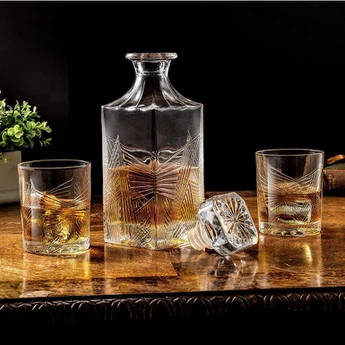
The foremost reason to choose ZGS Glass decanters is their exceptional quality and craftsmanship. ZGS Glass utilizes advanced manufacturing techniques and rigorous quality control to ensure that each decanter is a masterpiece of clarity, durability, and elegance. For businesses, particularly those in the hospitality and retail sectors, this means offering their customers an unparalleled product that enhances user experience and brand reputation. The flawless finish and sophisticated design of ZGS Glass decanters make them an ideal choice for high-end applications.
2. Comprehensive Customization Options
ZGS Glass understands that businesses often need unique and tailored solutions. They offer a wide array of customization options, allowing businesses to create decanters that align perfectly with their brand identity and specific requirements. Clients can choose from various shapes, sizes, and styles, as well as personalized engraving and logos. This level of customization is vital for businesses looking to differentiate their offerings and create a memorable impression. By providing bespoke solutions, ZGS Glass supports companies in enhancing their brand and catering to niche markets.
3. Diverse Product Range
ZGS Glass boasts a diverse range of decanters, catering to various business needs. From classic designs suitable for fine dining establishments to contemporary styles for trendy bars and retail displays, ZGS Glass has options that fit different market segments. This extensive product range enables businesses to source all their glass decanter requirements from a single, reliable supplier, ensuring uniformity in quality and design. The breadth of choices ensures that businesses can meet their customers’ preferences and stay current with market trends.
4. Sustainable Manufacturing Practices
Environmental responsibility is increasingly important in today's business world. ZGS Glass is committed to sustainability, utilizing eco-friendly materials and processes in their manufacturing. This commitment to green practices not only benefits the environment but also appeals to businesses that prioritize sustainability in their operations and branding. Companies that choose ZGS Glass decanters can enhance their eco-friendly credentials, appealing to environmentally conscious consumers and stakeholders.

When it comes to enjoying whiskey, it's not just about the taste but also the experience. A good Whiskey glass decanter Set can elevate the drinking experience by enhancing the aroma and flavour of your favourite whiskey. However, choosing the right whiskey glass decanter shape can be overwhelming. With so many options available, knowing which shape is the best for your preferred whiskey can be challenging.
Whiskey Type
The type of whiskey you prefer is a crucial factor to consider when choosing a glass decanter shape.
Different whiskey types require different glass decanter shapes to enhance their flavours fully.
For instance, a broad base and narrow neck glass decanter are ideal for high-proof whiskeys such as Bourbon or Rye, while a glass decanter with a broad base and wide neck is perfect for milder whiskeys such as Irish or Japanese whiskey.
Aesthetic Appeal
Another factor to consider is the aesthetic appeal of the glass decanter. Whiskey glass decanters come in various shapes, designs, and materials.
Choosing a glass decanter that matches your style and decor is essential. Some popular glass decanter shapes include square, round, and crystal cuts.
Our Factory
ZIBO GREAT SAILING LIGHT INDUSTRIAL PRODUCTS CO.,LTD., which is specialized in producing both machine made and hand blown glassware since 2004. Main products include various glass beverage dispenser, glass storage jar, glass mason jar, glass vase and glass candle holder, ect. Total 890 workers, factory covers an area of 5000m2, 200,000pcs output each day. The integrity, strength and integrity of our ZIBO GREAT SAILING LIGHT INDUSTRIAL PRODUCTS CO.,LTD. Product quality has always been fully recognized by the industry. Friends from all walks of life are welcome to visit, provide guidance and negotiate business.
Manual Glass Blowing Process

Verified supplier of

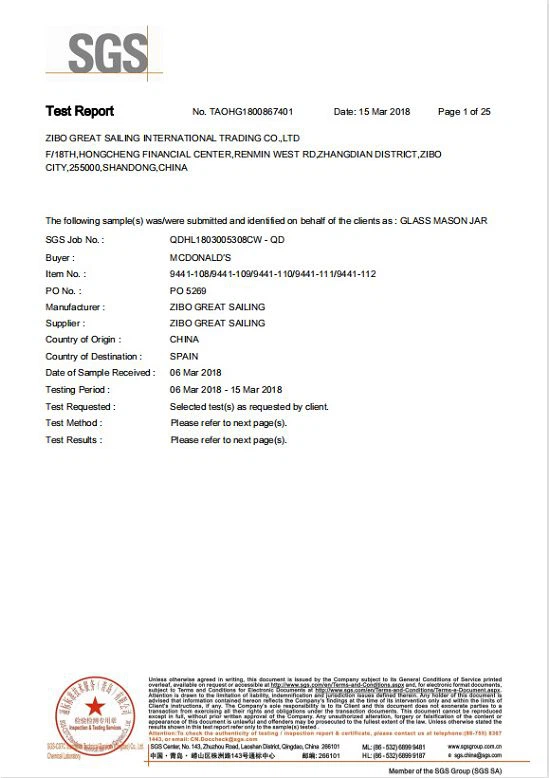
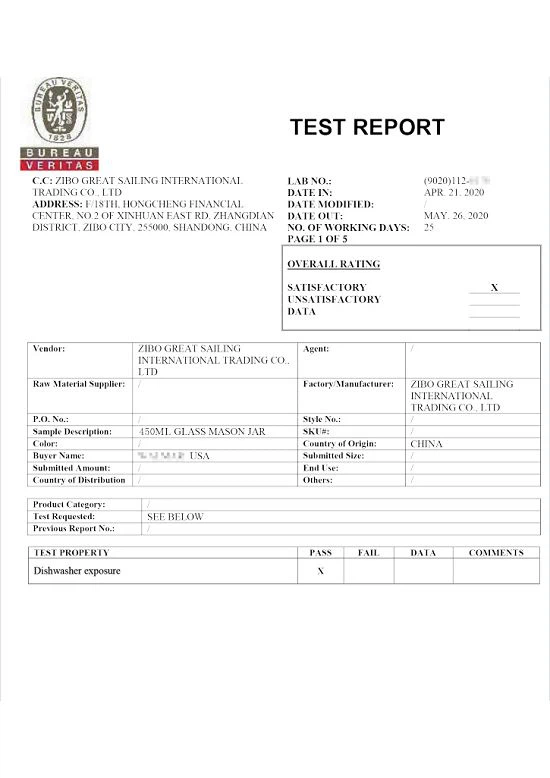
Our Certificate



Ultimate FAQ Guide to Glass Decanter
Q: How long does alcohol last in a glass decanter?
Q: What is the point of a glass decanter?
Q: What alcohol do you put in a glass decanter?
Q: What are the benefits of a glass decanter?
Q: Can whiskey go bad in a glass decanter?
Q: You need to clean a glass decanter as well?
Q: Can you put vodka in a glass decanter?
Q: Does vodka go bad in a glass decanter?
Q: What is the main function of a glass decanter?
Q: Does the shape of a glass decanter matter?
Q: How long can alcohol stay in a glass decanter?
Q: How to maintain glass decanter?
Q: How do you clean a glass decanter?
Q: How to stop condensation in glass decanter?
Q: Can cloudy glass decanter be restored?
Q: How to clean a glass decanter?
Q: Should you wash your glass decanter?
Q: How do you clean and dry a glass decanter?
Q: Do glass decanter need to be refrigerated?
Q: What is the best use of a glass decanter?
As one of the leading glass decanter manufacturers in China, we warmly welcome you to buy high-grade glass decanter made in China here from our factory. All customized products are with high quality and competitive price.
soda beer can shaped glass cups, glass storage jar, glass vase colourful