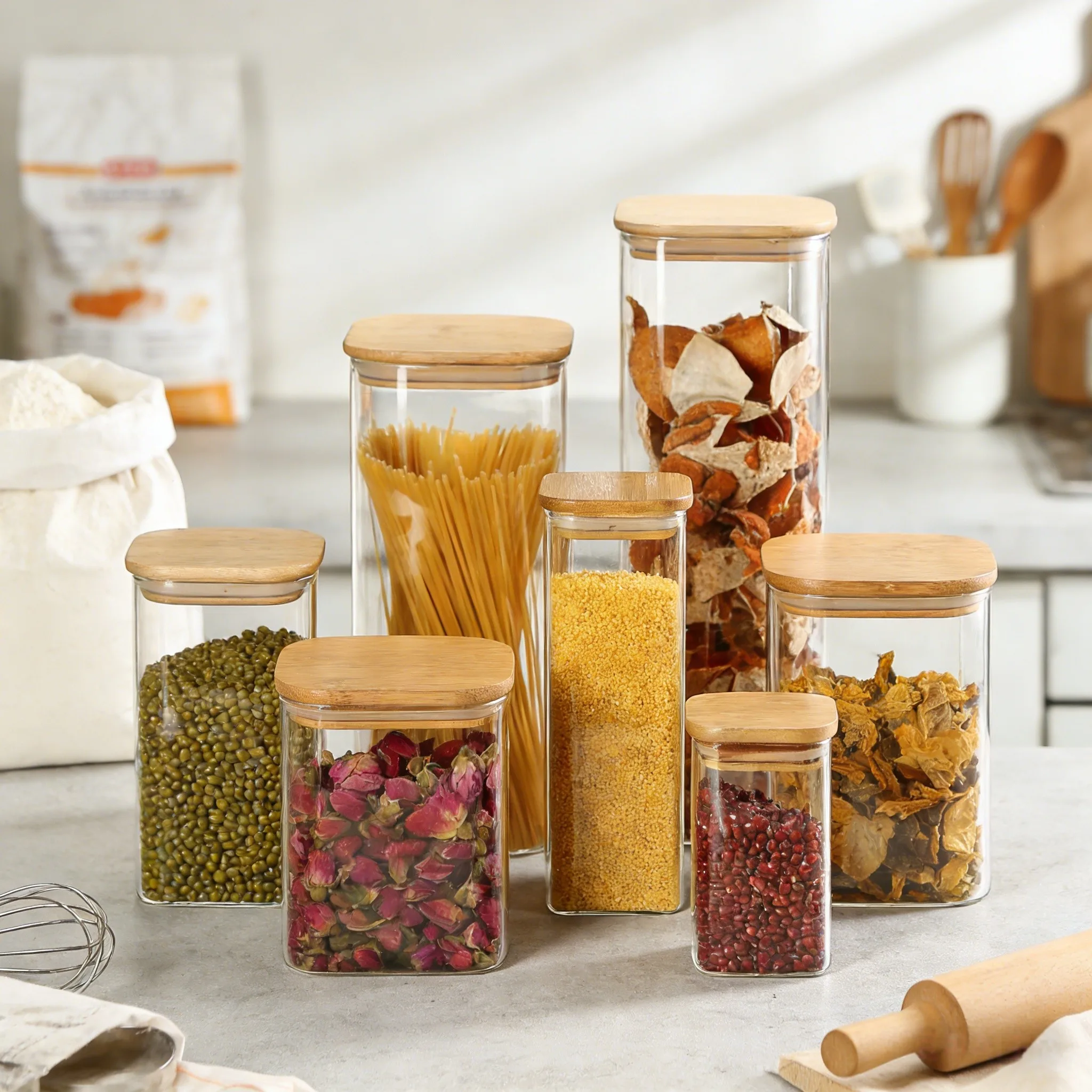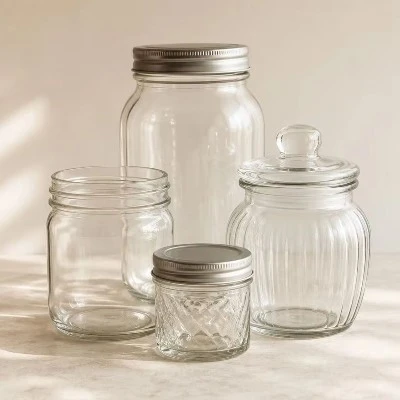

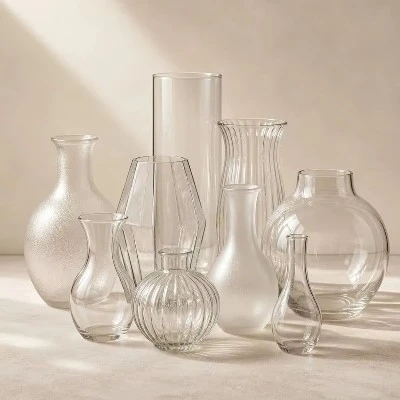
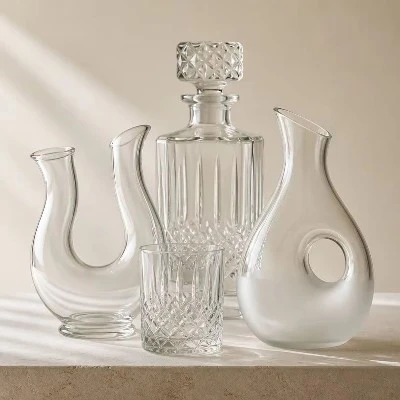
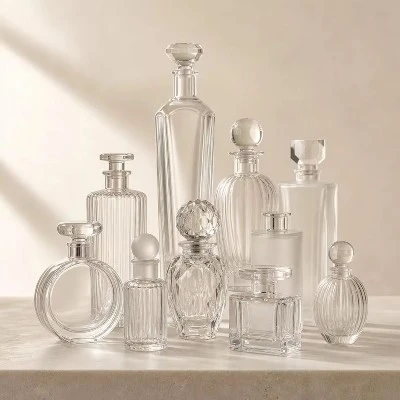
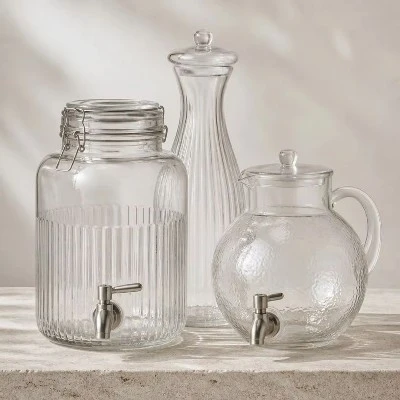
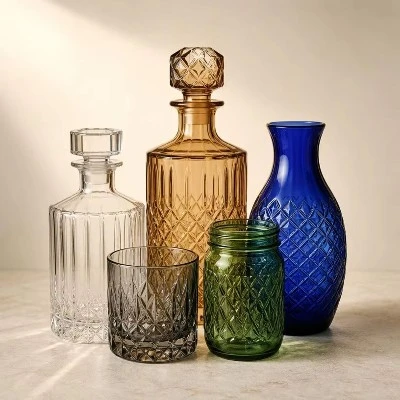
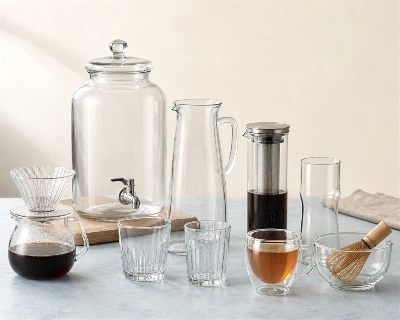

A glass vase is a decorative container, typically designed to hold flowers or serve as a standalone art piece, made primarily from glass. Glass vases come in various shapes, sizes, and designs, ranging from simple, clear cylinders to intricate, hand-blown masterpieces. They are often used for both practical purposes, such as displaying floral arrangements, and aesthetic purposes, adding elegance and style to homes, offices, and event spaces. The transparency and versatility of glass make it an ideal material for vases, allowing the beauty of flowers and the artistry of the vase itself to be appreciated fully.
-
![glass flower vase for decoration]() glass flower vase for decorationA glass flower vase is a decorative container typically used to display cut flowers or other decorative elements. It serves as both a functional and aesthetic piece in interior decor. Glass vases...read more
glass flower vase for decorationA glass flower vase is a decorative container typically used to display cut flowers or other decorative elements. It serves as both a functional and aesthetic piece in interior decor. Glass vases...read more -
![Glass Bouquet Vase]() Glass Bouquet VaseGlass Bouquet Vase is thick, and the top of the vase has been designed by the designer and carefully polished by the master worker. It is round and does not hurt the hands; the bottom of the vase...read more
Glass Bouquet VaseGlass Bouquet Vase is thick, and the top of the vase has been designed by the designer and carefully polished by the master worker. It is round and does not hurt the hands; the bottom of the vase...read more -
![Large Glass Vase for Pampas Grass]() Large Glass Vase for Pampas GrassThe Large Glass Vase for Pampas Grass are machine-made, each vase has a uniform wall thickness and the same gram weight, and the quality is stable;read more
Large Glass Vase for Pampas GrassThe Large Glass Vase for Pampas Grass are machine-made, each vase has a uniform wall thickness and the same gram weight, and the quality is stable;read more
In addition, the vases have clear textures... -
![Clear Flower Glass Vase]() Clear Flower Glass VaseClear Flower Glass Vase Decorative Centerpieceread more
Clear Flower Glass VaseClear Flower Glass Vase Decorative Centerpieceread more
QUALITY - Thick glass and stable base make it the perfect table centerpiece. -
![Vertical Glass Vase]() Vertical Glass Vasevertical glass vaseread more
Vertical Glass Vasevertical glass vaseread more
Glass vases are also a great way to add a touch of elegance to any space. They can be used to display delicate flowers, such as orchids, or to showcase a bouquet of... -
![Small Clear Glass Flower Vases]() Small Clear Glass Flower VasesHandmade Small Clear Glass Flower Vases are crafted with skill and artistry, featuring unique designs, vibrant colors, and intricate details.read more
Small Clear Glass Flower VasesHandmade Small Clear Glass Flower Vases are crafted with skill and artistry, featuring unique designs, vibrant colors, and intricate details.read more
They serve as beautiful decorative pieces or... -
![Home decor glass wedding flower vases]() Home decor glass wedding flower vasesHome decor glass wedding flower vases forming quality to ensure that in sterilization (sterilization) and other heating or cooling process to break to withstand internal pressure and in the...read more
Home decor glass wedding flower vasesHome decor glass wedding flower vases forming quality to ensure that in sterilization (sterilization) and other heating or cooling process to break to withstand internal pressure and in the...read more -
![Cylinder Clear Vases For Wedding]() Cylinder Clear Vases For WeddingCylinder Clear Vases for Weddingread more
Cylinder Clear Vases For WeddingCylinder Clear Vases for Weddingread more
【 Features】Professional design and quality heat resistant glass, Crafted with thick glass and a stable bottom to ensure durability. The clear table flower... -
![Wedding Clear Clear Cylinder Vases]() Wedding Clear Clear Cylinder VasesThese clear glass cylinder vases offer excellent visibility, making them the perfect canvas to showcase flowers and decorations. Their simple elegance complements various interior styles and...read more
Wedding Clear Clear Cylinder VasesThese clear glass cylinder vases offer excellent visibility, making them the perfect canvas to showcase flowers and decorations. Their simple elegance complements various interior styles and...read more -
![Home Decor Colour Flower Glass Vases]() Home Decor Colour Flower Glass VasesHome Decor Colour Flower Glass Vases The glass bottle body is very fashionable Nordic characteristics, please remember a delicate vase flower arrangement, quiet and comfortable heart,read more
Home Decor Colour Flower Glass VasesHome Decor Colour Flower Glass Vases The glass bottle body is very fashionable Nordic characteristics, please remember a delicate vase flower arrangement, quiet and comfortable heart,read more
let... -
![Glass Cylinder Vases Clear Flower Vase]() Glass Cylinder Vases Clear Flower VaseGlass Cylinder Vases Clear Flower Vase The cylinder vases are the simplest and most elegant glass vase centerpiece, the elegant and beautiful appearance make them the most effective and attractive...read more
Glass Cylinder Vases Clear Flower VaseGlass Cylinder Vases Clear Flower Vase The cylinder vases are the simplest and most elegant glass vase centerpiece, the elegant and beautiful appearance make them the most effective and attractive...read more -
![Wedding Decorative Flower Clear Glass Vase]() Wedding Decorative Flower Clear Glass VaseWedding Decorative Flower Clear Glass Vase,add a touch of elegance to your home or office with our Flower Classic Glass Vase. Elevate your floral arrangements and immerse yourself in the beauty of...read more
Wedding Decorative Flower Clear Glass VaseWedding Decorative Flower Clear Glass Vase,add a touch of elegance to your home or office with our Flower Classic Glass Vase. Elevate your floral arrangements and immerse yourself in the beauty of...read more


Adding flowers to your home decor instantly brings a refreshing touch to any space. Selecting the glass vase is essential to truly showcase the beauty of your arrangements. Among the options, a glass vase specifically designed for flowers stands out as a popular choice due to its unique benefits.
Enhancing the beauty of flower arrangements
When it comes to highlighting the allure of flowers, nothing compares to a designer floral glass vase. Its transparent design allows the blooms to take the stage, creating an exhibition that can illuminate any room. The clarity of the glass further accentuates the hues and intricate details of your chosen flowers, resulting in a stunning impact.
Versatility in style and design
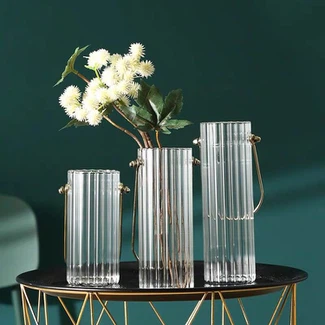
Glass vases come in various designs and shapes, making them incredibly versatile for home decoration. Whether you prefer forms or contemporary geometric patterns, there is a vase available that perfectly complements your existing interior style or can even become an eye-catching statement piece on its own. Furthermore, opting for glass vases with heights and sizes adds depth and visual interest to your flower arrangements.
Convenient maintenance and easy cleaning
One of the advantages of using a glass vase for flowers is how effortless it is to maintain. Unlike vases made from materials, glass vases are less prone to developing stains, mold, or unpleasant odors. Simply rinsing it with soapy water and giving it a scrub should be enough to keep your vase in perfect condition. Additionally, the transparent nature of glass vase makes it easier to spot any dirt or debris that may accumulate, ensuring a cleaning every time.
Durable
Glass vases are well known for their durability, making them a valuable investment for your home decor. Glass is resistant to scratches and damage, guaranteeing that your vase will stay in condition after years of use. Unlike vases made from materials, a glass vase is less likely to chip or break, providing you with a piece that will last for a long time.
Complements any style or theme
No matter your interior design theme, a glass vase can seamlessly fit into any setting. Whether you have an eclectic or minimalist style, the clear composition of a glass vase effortlessly adapts to various styles and themes. Whether you're aiming for a vibe with roses or a lively atmosphere with wildflowers, a glass vase is the centerpiece to highlight your chosen flowers and complement your decor.
Creates an illusion of space and reflects light
One of the advantages of using a floral glass vase is its ability to reflect light throughout the room. Placing it near a window or any light source allows the vase to capture and disperse brightness, brightening up its surroundings. This adds to the ambiance and creates a sense of spaciousness and openness, making it especially ideal for small or dimly lit areas.
Showcases unique flower arrangements and stems
Unlike vases, using a glass vase gives you the opportunity to get creative with your arrangements. By showcasing the beauty of stems and leaves, you can design one-of-a-kind compositions that celebrate each bloom's elegance. Whether you prefer stems or extravagant bouquets, a floral glass vase provides a platform for expressing your artistic flair.

How to Protect Glass Vase in Storage?
When you think of goods in a storage unit, you think of sturdy items like furniture, beds, and dressers. They all have their own protection needs, but glass is not something everyone considers, even though most of us have some sort of glass vase in our homes. It may be our dressing table mirror, a glass tabletop, painting frames, or decorative pieces. If you take proper precautions and pack them the right way, glass vase can be safely put away in storage for months or even years. Here are five tips for keeping your glass vase safe.
Pack glass vase individually
In a bid to save time, it may seem like a good idea to bundle glass pieces together and pack them, but they will shatter at the slightest touch. Each glass item should be packed separately, with a generous amount of bubble wrap. Make sure to tape the bubble wrap securely so that it doesn't move or come off.
Pack small pieces tightly
Smaller items like glass vases can be packed together in one box. After you've wrapped each piece with bubble wrap, fill the box with packing peanuts, newspaper shreds, or wood shavings and place all your small glass vase in there. A plastic container or sturdy crate will work if you don't have any boxes.

Avoid heights
Placing your plastic box or crate on a high shelf is not a good idea. If it were to slip while you took it down, your items could break. It's best to keep the box on the floor, safely out of the way.
Don't stack
Larger pieces of glass vase, should never be stacked on top of one another, even when individually wrapped in bubble wrap and cloth. Stacking can leave scratches on the glass. Always place flat glass on its side because its molecular structure is the strongest on its side.
Use labels
Always label your boxes and cartons. Make the labels as clear and detailed as you can so you won't open the wrong box when you're unpacking. Label all the glass with "fragile" and "this side up" written on the side to make sure you remember to take extra care with them.
Safely store your glass vase
Storing your glass vase without damaging them is possible; it just takes some preparation and careful handling. If you pack your items individually, place small items with filler, don't stack, store on the ground, and use labels, your glass vase can safely remain out of the way out of harm.

High-Quality Manufacturing: ZGS Glass is committed to producing top-tier glass products using advanced manufacturing techniques. This ensures that all products meet strict quality standards, making them reliable for business partners and customers.
Customizable Solutions: Understanding the diverse needs of B2B clients, ZGS Glass offers customizable glassware solutions. This flexibility allows businesses to order products tailored to their specific requirements, enhancing customer satisfaction and loyalty.
Strong Supply Chain Management: ZGS Glass has established a robust supply chain, enabling efficient production and timely deliveries. This reliability is crucial for B2B partnerships, where timely access to products can significantly impact business operations.
Competitive Pricing: By integrating manufacturing and trading, ZGS Glass can offer competitive pricing on bulk orders, providing cost-effective solutions for businesses looking to manage budgets without compromising on quality.
Sustainability Practices: The company is dedicated to environmentally friendly practices, utilizing sustainable materials and processes. This commitment resonates well with businesses that prioritize corporate social responsibility and wish to align with eco-conscious suppliers.
Expertise and Support: With a team of industry experts, ZGS Glass provides exceptional customer support and consultancy services. Businesses can benefit from professional advice on product selection and usage, ensuring they make informed decisions that enhance their own offerings.
Hand blowing is an ancient craft. During hand blowing, workers use a hollow iron blowing pipe about 1.5m long, one end is dipped in glass vase liquid (picking material), and the other end is a blowing nozzle. After picking the material, roll it evenly on the rolling plate (bowl) and blow air to form a glass frit, which is blown into the glass vase in the mold; it can also be freely blown without a mold, and finally knocked off from the blowpipe. When large-scale products are formed, it is necessary to repeatedly pick and roll evenly to collect enough material.
The homogeneous material should be uniform. The uniform distribution of the shot glass vase in each part mainly depends on whether the rotation speed of the blown iron pipe is appropriate. If the rotation speed is too fast or too slow, the local thickness of the product will be uneven;
The blowing time and blowing volume should be just right. Excessive blowing will make the product too thin and the size will be too large; otherwise, the end will be too thick and the size will be too small. Therefore, the right blowing speed and the right blowing force are the keys to ensuring the size of the product.
The weight of packing material should be basically the same every time because this molding method mainly depends on hand feel and experience. The viscosity of the gglass vase liquid at the top of the crucible is different from the viscosity of the glass vase liquid near the bottom of the crucible, so pay special attention when picking materials.
Hand blow molding is labor-intensive and difficult, but it can last for thousands of years because of the flexibility and artistry of producing such products. So far, it is still an important molding method in the glass vase industry.

Glass vases are a great decorative item for every household. Whether they're for a fresh bouquet of flowers or are simply there for aesthetic reasons, glass vases are incredibly nice to look at—when they're clean. There are so many things that could leave you with a dirty vase, but here are a few ways of how you can clean glass vases with a few household items and ingredients.
How to clean glass vase with salt and vinegar
These may sound like some ingredients you keep in your kitchen, but salt and vinegar can also be effective in cleaning glass vases.
To make a simple cleaning paste, just mix half a tablespoon of salt and some vinegar until you have a thick paste-like consistency.
Once you have your paste, rub it all over the base, making sure to pay extra close attention to the areas with built up stains or mineral deposits from hard water. In case of stubborn stains, you can use a sponge, bottle brush or an old toothbrush to gently scrub this away.
When you've rubbed your paste everywhere, leave it for around 10 minutes to work its magic. Finally, just wipe everything off to reveal a sparkling flower vase.
How to clean glass vase with baking soda and vinegar
This very popular household cleaning combo can also help clean glass vases. All you need to do is fill the vase with warm water before adding a tablespoon of baking soda and some white vinegar. Once everything has been cleaned away, just pour the solution out and rinse your vase thoroughly.
The chemical reaction between these two ingredients will easily get rid of any stains and residue. In case your vase is a bit bigger than usual, you may have to add in more baking soda.
For more stubborn stains, pour out the contents once the fizzing stops and gently scrub at any lingering dirt and grime with a sponge, a bottle brush or an old toothbrush before rinsing everything away with warm water.

How to clean glass vases with denture tablets
This cleaning method is a great way to clean vases that are too small. Just fill the flower vase with hot water and drop in one or two denture tablets or alka seltzer tablets. The chemical reaction will take care of any stains and mineral deposits until you're left with a freshly cleaned vase.
For any leftover stains that are much harder to remove, empty the vase of the denture water and grab a sponge, a bottle brush or an old toothbrush to scrub away and loosen any remaining residue. Then, just rinse everything out with some warm water.
How to clean glass vase with rice and soapy water
It might seem unconventional, but using rice—along with warm water, vinegar and dishwashing liquid—can be a great way of cleaning vases, especially those with smaller openings.
All you have to do is fill the glass vase halfway with some warm water and add two tablespoons of vinegar, a couple of drops of dishwashing liquid, and a cup of uncooked rice. Then, just shake the vase for a few minutes so that the rice can somewhat scrub at the inside of the vase. Afterwards, pour everything out and rinse the vase with warm water.
The Considerations For Buying Glass Vase
Design and Aesthetics When selecting a glass vase, the design and aesthetic appeal are crucial factors. The vase should complement the décor of the space it will inhabit, whether it's a contemporary, minimalist setting or a more traditional, ornate environment. The shape, color, and style of the vase play significant roles in how well it integrates with a room's overall look.
Quality and Durability The quality and durability of the glass vase are paramount considerations. Buyers should look for vases made from high-quality glass that can withstand handling and use over time. Examining the craftsmanship for any imperfections, such as bubbles or irregularities, is essential to ensure a smooth and flawless finish.
Size and Proportion The size of the vase should be appropriate for its intended use and the flowers or arrangements it will hold. A vase that is too small may not support large floral arrangements, while an oversized vase could overwhelm smaller displays. Proportional balance between the vase and its contents is key to creating a visually pleasing arrangement.
Functionality While aesthetics are important, functionality cannot be overlooked. The vase should be stable and able to hold flowers securely without tipping over easily. Additionally, it should have an appropriate opening size to accommodate the stems of the flowers or other decorative elements it may hold.

ZGS Glass: B2B Advantages in Selling Glass Vases
Wide Product Range ZGS Glass offers an extensive selection of glass vases, catering to various design preferences and functional needs. Our product range includes everything from sleek, modern designs to intricate, hand-blown art pieces, ensuring that our B2B clients can provide their customers with diverse and appealing options. This variety helps businesses attract a wider customer base and meet various market demands.
Quality Assurance At ZGS Glass, we place a strong emphasis on quality assurance. Every glass vase in our inventory undergoes meticulous quality checks to ensure it meets our high standards. Our dedication to delivering top-quality products means that B2B clients can trust in the durability and flawless finish of each vase, fostering customer satisfaction and repeat business.
New Product Development Innovation is central to our approach at ZGS Glass. We continuously invest in the development of new and unique glass vase designs. Our team collaborates with expert designers and artisans to create vases that reflect the latest trends and customer preferences. This commitment to innovation allows our B2B partners to stay ahead of the competition by offering fresh, distinctive products that captivate consumers.
High-quality Supply Channels Reliable supply chain management is a significant advantage for B2B operations. ZGS Glass has established efficient and dependable supply channels, ensuring consistent and timely deliveries. Our robust logistics network minimizes the risk of delays or stock shortages, allowing our clients to maintain seamless operations and meet their customers' needs with confidence.
Our Factory
ZIBO GREAT SAILING LIGHT INDUSTRIAL PRODUCTS CO.,LTD., which is specialized in producing both machine made and hand blown glassware since 2004. Main products include various glass beverage dispenser, glass storage jar, glass mason jar, glass vase and glass candle holder, ect. Total 890 workers, factory covers an area of 5000m2, 200,000pcs output each day. The integrity, strength and integrity of our ZIBO GREAT SAILING LIGHT INDUSTRIAL PRODUCTS CO.,LTD. Product quality has always been fully recognized by the industry. Friends from all walks of life are welcome to visit, provide guidance and negotiate business.
Manual Glass Blowing Process

Verified supplier of

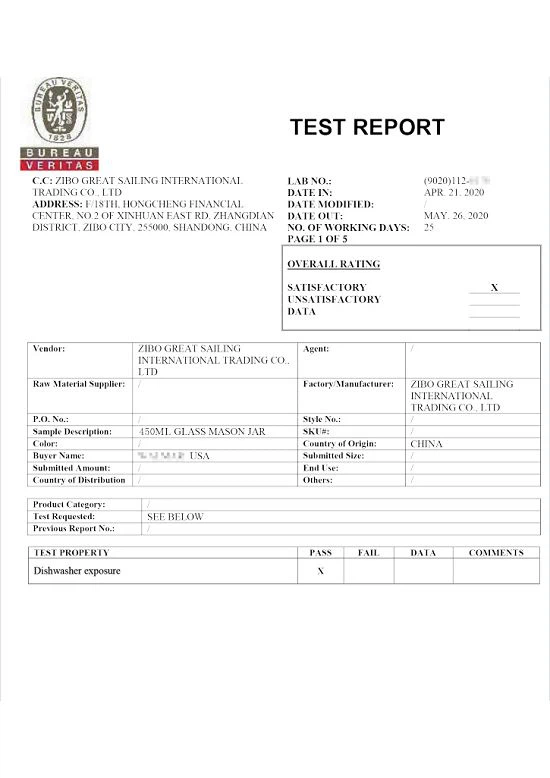
Our Certificate




Ultimate FAQ Guide to Glass Vase
Q: What is a glass vase used for?
Q: What is the point of glass vases?
Q: What are the uses of glass vases?
Q: How to clean and maintain your glass vases?
Avoid abrasives: Be gentle when scrubbing to prevent scratches.
Use vinegar solution: For stubborn stains, use a solution of equal parts white vinegar and water.
Q: How to transform a glass vase?
Prep the surface by washing the glass vase.
Mix your baking soda and paint.
Apply your diy textured paint to the glass.
Allow paint to quick dry and add another coat.
Allow paint to cure overnight.
Q: How do you take care of a glass vase?
Q: How to protect glass vase in storage?
Pack small pieces tightly.
Avoid heights.
Don't stack.
Use labels.
Safely store your glass vases.
Q: How to clean a glass vase with vinegar and salt?
Rub the paste onto the inside of the vase using a sponge, bottle brush, or old toothbrush.
Let it sit for 10 minutes before rinsing the paste off using warm water.
Use a microfiber cloth to dry.
Q: What to look for when buying a glass vase?
Q: How are glass vases packaged?
Q: Do all glass vases need flowers?
Q: How to pick glass vase size?
Q: Do glass vases need water?
Q: What type of glass are glass vases made of?
Q: Glass vase: What is hand blowing?
Q: What are the characteristics of hand-blown glass vase?
Q: Do you know the techniques for making hand-blown glass vase?
The homogeneous material should be uniform.
The blowing time and blowing volume should be just right.
The weight of packing material should be basically the same every time because this molding method mainly depends on hand feel and experience.
Q: How to maintain glass vase?
Q: Why are glass vases made of glass?
Q: How is glass vase packaged?
Molded foam(also named polyfoam).
Bubble bag/ bubble wrap.
Wooden frame.
Pallet.
Zibo Great Sailing Light Industrial Products Co., Ltd. is one of the leading glass vase manufacturers and suppliers in China. We warmly welcome you to buy high-grade glass vase made in China here from our factory. All customized products are with high quality and competitive price.
aquatic flower vase ornament glass, cheap tall glass vases, square glass vase-
![Borosilicate Glass Storage Containers With Bamboo Lids]() Borosilicate Glass Storage Containers With Bamboo LidsOur borosilicate glass storage containers with bamboo lids come in 15 sizesread more
Borosilicate Glass Storage Containers With Bamboo LidsOur borosilicate glass storage containers with bamboo lids come in 15 sizesread more
(200ml–2000ml) — 3.3-grade glass,... -
![32/40oz Icon Drinking Glass With Handle]() 32/40oz Icon Drinking Glass With HandleSearching for a standout addition to your hydration line? The 32/40oz Icon Drinking Glass With Handle is more than...read more
32/40oz Icon Drinking Glass With HandleSearching for a standout addition to your hydration line? The 32/40oz Icon Drinking Glass With Handle is more than...read more -
![Square Glass Dispenser With Wood Accents]() Square Glass Dispenser With Wood AccentsIntroducing our Bead-Embossed Square Glass Dispenser – a perfect blend of elegance and functionality.read more
Square Glass Dispenser With Wood AccentsIntroducing our Bead-Embossed Square Glass Dispenser – a perfect blend of elegance and functionality.read more
Crafted... -
![The N-Groove Glass Carafe]() The N-Groove Glass CarafeIntroducing the N-Groove Glass Carafe, a vessel defined by its striking geometric texture.read more
The N-Groove Glass CarafeIntroducing the N-Groove Glass Carafe, a vessel defined by its striking geometric texture.read more
Crafted from...