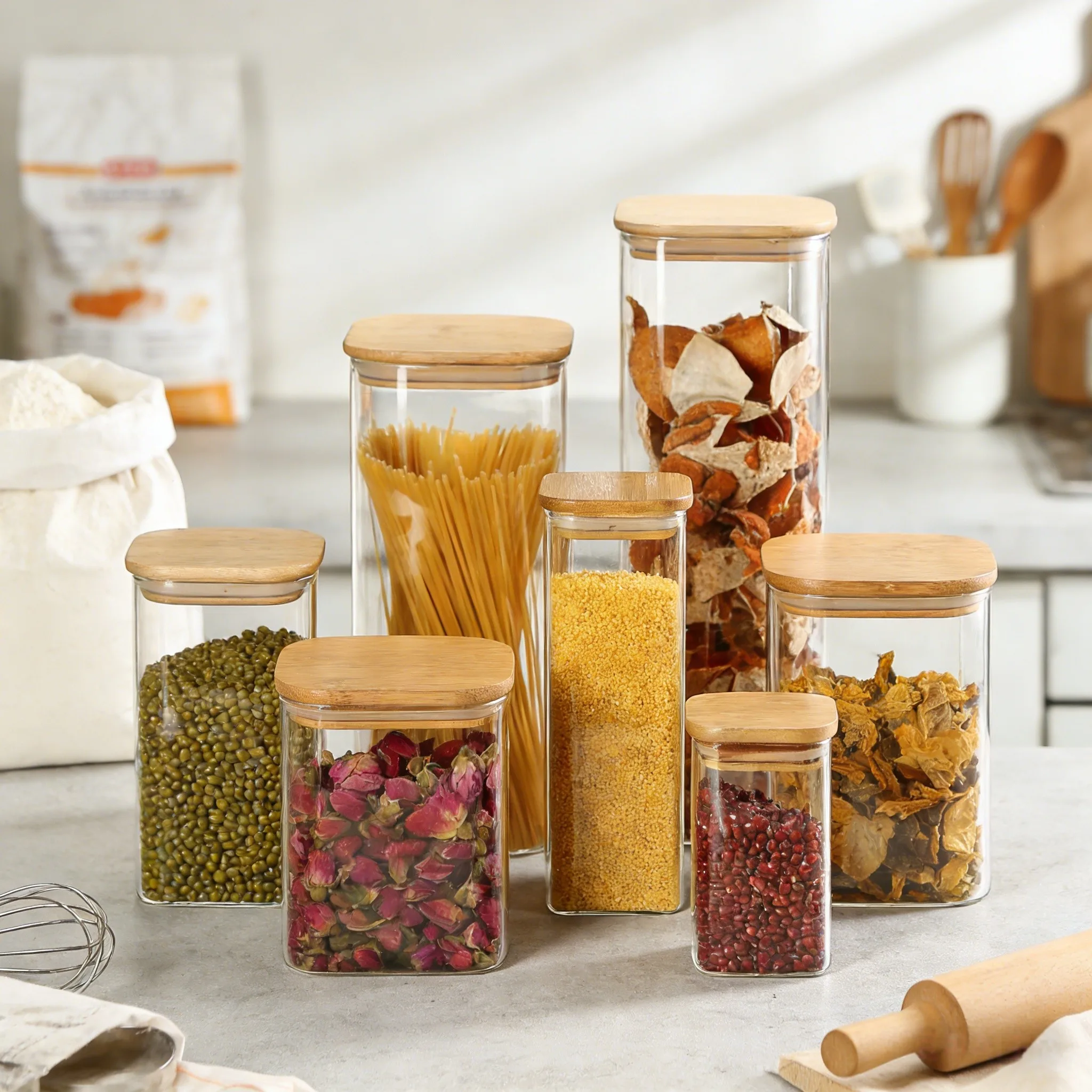






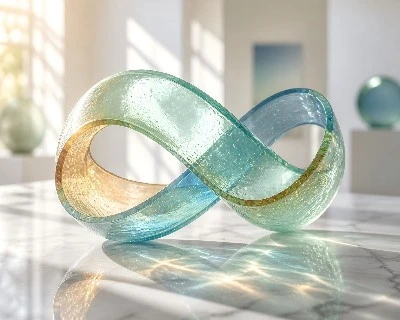


Here's a description of the manufacturing process for glass products:
Raw Material Preparation: The process begins by collecting the raw materials needed to make glass, which typically include silica sand, soda ash, limestone, and other additives. These materials are carefully measured and mixed in the desired proportions.
Melting: The mixed raw materials are then heated in a furnace at high temperatures, typically around 1,500 degrees Celsius (2,732 degrees Fahrenheit). This intense heat melts the raw materials, forming a molten glass.
Shaping: Once the glass is in its molten state, it can be shaped into various forms. There are several techniques for shaping glass, including:
Blowing: In this method, a glassblower uses a blowpipe to gather molten glass from the furnace and shape it by blowing air into the pipe, creating air pressure that expands the glass into a desired form.
Pressing: For certain types of glass products, molten glass is poured into a pre-made mold and pressed into shape using a mechanical press. This technique is often used for mass production.
Casting: In glass casting, molten glass is poured into a mold and left to cool and solidify over time. This method is commonly used for creating intricate or decorative glass objects.
Annealing: After the glass is shaped, it undergoes a process called annealing. Annealing involves slowly cooling the glass in a controlled manner to relieve internal stresses and strengthen the material. This helps to prevent breakage or cracking later on.
Finishing: Once the glass has been annealed and cooled, it undergoes various finishing processes. These may include cutting, grinding, polishing, and etching to achieve the desired shape, smoothness, and decorative effects. Additional treatments, such as applying coatings or coloration, may also be done at this stage.
Quality Control: Throughout the manufacturing process, quality control measures are implemented to ensure that the glass products meet the required standards. This involves inspecting the glass for defects, such as bubbles, cracks, or uneven surfaces, and rejecting any substandard items.
Packaging and Distribution: Finally, the finished glass products are carefully packaged to protect them during transportation and storage. They are then distributed to wholesalers, retailers, or directly to customers, ready for use or sale.
It's important to note that the specific manufacturing process may vary depending on the type of glass product being made, as well as the desired characteristics and requirements.