

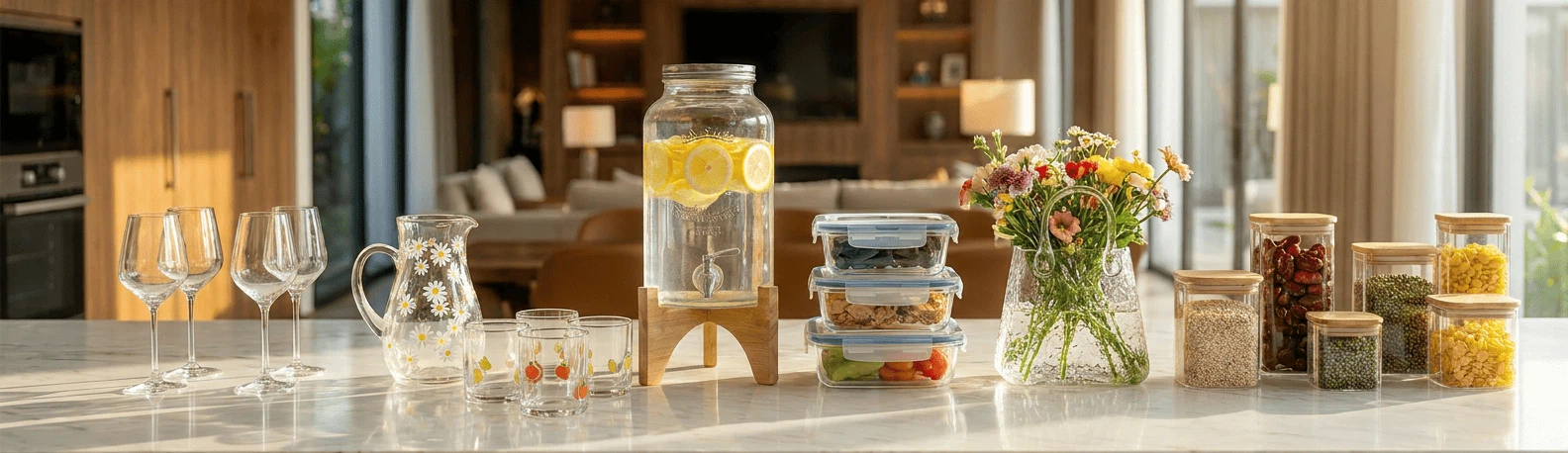
Here's An Introduction To The Characteristics Of Glass Products
May 08, 2024
Sure! Here's an introduction to the characteristics of glass products:
Glass products are known for their unique set of characteristics, making them versatile and widely used in various industries. Here are some key features of glass:
Transparency: Glass is transparent, allowing light to pass through it easily. This property makes glass products ideal for applications where visibility is important, such as windows, display cases, and lenses.
Durability: Glass products are highly durable and resistant to scratches, impacts, and extreme temperatures. They can withstand harsh environmental conditions, making them suitable for outdoor applications like architectural glazing or automotive windshields.
Chemical Inertness: Glass is chemically inert, meaning it does not react with most substances. This property makes glass products excellent for storing and packaging various chemicals, pharmaceuticals, and food products, as they won't be contaminated or altered by the glass material.
Versatility: Glass can be molded and shaped into a wide range of forms and sizes, making it a versatile material. It can be blown, pressed, or cast to create intricate designs or functional shapes, catering to diverse applications such as bottles, jars, laboratory equipment, and decorative objects.
Recyclability: Glass is 100% recyclable without any loss in quality. It can be melted down and reused to create new glass products, reducing the demand for raw materials and minimizing environmental impact. This makes glass an eco-friendly choice for packaging and construction industries.
Hygiene and Safety: Glass is non-porous and easy to clean, making it hygienic for food and beverage containers. It also does not release any harmful chemicals, making it a safe choice for storing consumables. Additionally, glass has excellent fire-resistant properties, making it a preferred material for fire-rated doors, windows, and partitions.
Aesthetic Appeal: Glass products offer a visually appealing and elegant aesthetic. They can be clear, tinted, frosted, or even stained to create various visual effects. Glass is often used in architecture, interior design, and art installations to enhance the aesthetics of spaces.
In conclusion, glass products possess a unique combination of transparency, durability, chemical inertness, versatility, recyclability, hygiene, safety, and aesthetic appeal. These characteristics make glass a preferred material for a wide range of applications in industries such as construction, packaging, automotive, healthcare, and design.


