







Mixed SKU Orders: Combining Categories in One Container
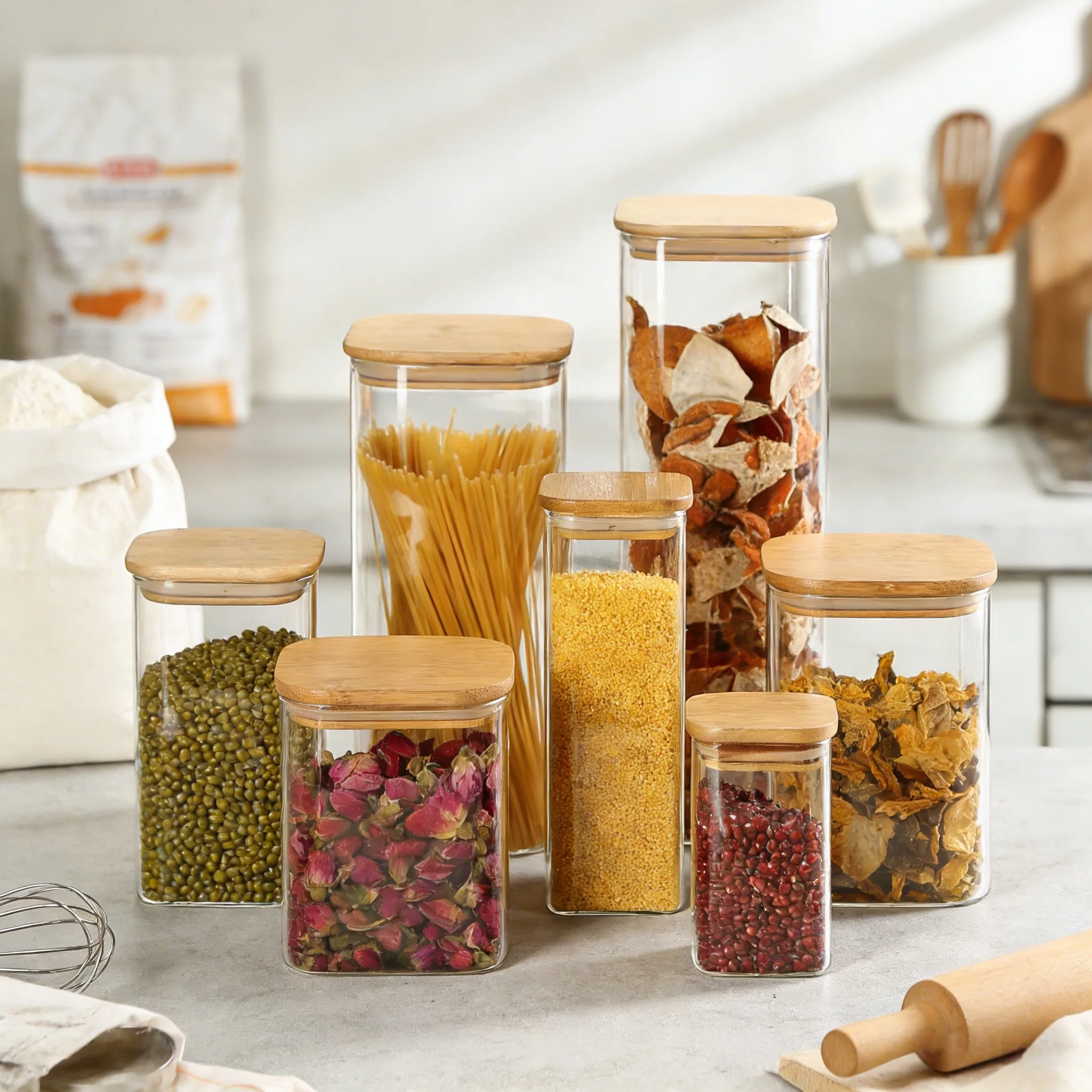
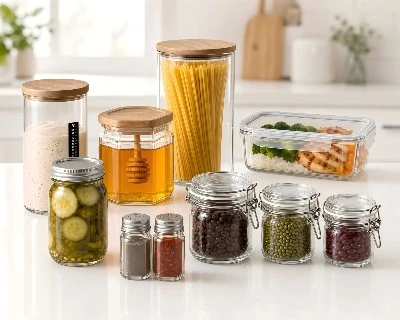
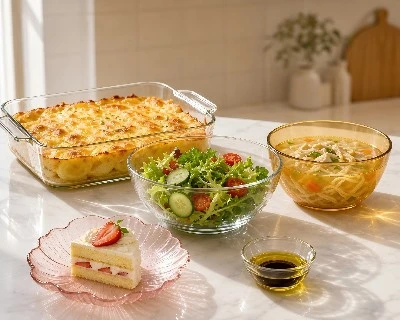
A mixed SKU glassware order carries more than one design under a single purchase order. Buyers ask for it because one order can cover a wider range of the shelf at a smaller commitment than a single deep program, and because one container arrives as one delivery instead of several. The arrangement works, but only when the order is structured as a plan rather than a list. This guide sets out which minimums merge inside mixed SKU glassware orders and which stay separate, what the combination does to the container, and how to arrange it so the whole range arrives on one date.
Updated 24 October 2026 · MOQ 1000 pcs · 16 production lines · 30 to 60 days production
What a mixed SKU order actually is
A mixed SKU glassware order is one purchase order carrying more than one product design. The buyer wants it because one commitment can cover a wider part of the range than a single deep program can, and because the goods arrive as one delivery instead of several staggered ones.
One design at a comfortable order size ties up cash in one product and one colourway, and leaves the rest of the range empty on a shelf. Combining designs lets the same spend cover a jar, a drinking glass and a bottle, because the order is planned as one order rather than as several, so the minimum applies to the total of the glass instead of to each design on its own. The question is not whether mixing saves money, but how many designs can travel together and what the combination does to the container that carries them.
A mixed order is planned as one order. That does not turn every element inside it into a single element. The glass merges. The tooling, the closure and the print run do not.
Which minimums merge and which stay separate
The single most useful thing to settle before placing a mixed order is which parts share a minimum and which carry their own. Getting this right early prevents two expensive surprises: being asked for the full minimum of every design, and paying a per design minimum on a program that qualified for a per order one.
The working rule is short. Anything measured against the number of pieces merges into the order total. Anything measured against a run, a tool or a print stays on its own line.
Read that table as a rule for the inquiry sheet rather than as a list of obstacles. The sheet should state the total piece count, the number of designs, the number of colours, the number of packaging artworks and the closure requirement as separate lines. A supplier who quotes against that structure is working from something concrete, and mixed SKU glassware orders can then be checked line by line. Export cartons sit in the same group, because a carton carries the pieces of one design only.
The same rule explains why a mixed order is often cheaper than two separate orders of the same total: setup, administration and the shipment are shared once rather than twice.
How the mixed program runs in the factory
A mixed order does not run on one line. It runs across the lines that carry each design, and the schedule it receives belongs to the slowest part of the mix rather than to the average of it.
Our factory runs 16 production lines, 12 automated and 4 hand blown, under a single production plan. That is what makes a mixed order practical, because designs from different categories can be in production in the same period instead of being queued one behind another. You can see the range on our mixed SKU glassware orders catalogue page.
The consequence is that the lead time belongs to the whole order. If one design in the mix needs a new mold, a two colour spray and a printed gift carton, then the production window is set by that design and not by the simplest one alongside it. Every mixed order has a critical design, and the schedule is only honest once that design is identified.
Ask for the order to be scheduled as one block with one production window. A mixed order quoted as separate lead times will arrive in stages and will not behave as a single delivery.
A multi category glassware order is easier to plan when it is split into two groups before it reaches the factory. Designs that use existing tooling and one colour can move together. Designs that need new tooling or custom packaging need their own window, which saves a schedule revision later because each group carries its own agreed date.
Carton fit decides how the order is built
Before anything is packed, every design has to fit a carton. The carton is the unit a container is actually made of, and a design that does not fit the standard carton changes the freight figure in the quotation.
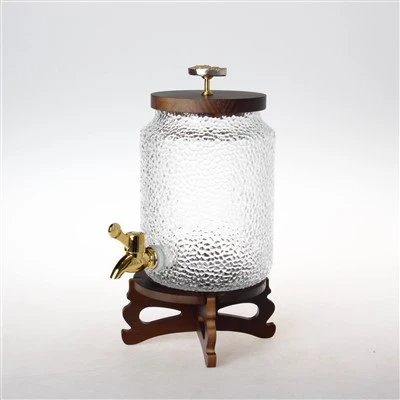
A straight sided storage jar nests with others of its kind. A handled dispenser, a tapered drinking glass and a vase each occupy their own volume and need a carton of their own, so the quantity per carton is set per design and any remainder belongs to that design rather than to the order. The piece count and the carton count therefore stop matching, which is normal. Each design contributes its own full cartons plus at most one partial carton, so a mixed order carries the sum of several carton patterns rather than one pattern multiplied.
Loading a container with more than one product
A container has two limits, and a mixed order meets them differently from a single product order. The right mix can fill a container that one product alone would leave half empty.
Glass is dense, so a case of glassware reaches the weight limit of a container while space remains. Freight is therefore usually settled on volume while the loading plan is limited by weight, and that gap is where a mixed order earns its place. Where a buyer asks to combine glassware categories one container at a time, the reason is normally that a single product line leaves the container unbalanced and pays for volume it does not use. The reverse case matters just as much: a mix of hollow, tall or irregular shapes fills the space before the weight, and the additional designs make the shipment worse. A poor stack pattern has the same effect, because the void between layers cannot be used. This is why the loading plan is a product of the mix rather than a detail added afterwards, and why it belongs in the inquiry rather than in the booking request.
One arrival, one set of documents
The commercial gain of a mixed order arrives at the destination, and it is often larger than the difference in unit price.
A single mixed container means one vessel booking, one bill of lading, one customs entry and one delivery window for the whole range. For a buyer working towards a store reset date, one arrival is worth more than a small saving per piece, because it removes the cost of tracking several shipments to the same deadline.
On the receiving side each design keeps its own carton mark and its own line on the packing list, with the piece count and the carton count for that design. The container can therefore be broken down by design at the warehouse without opening a mixed carton, which is what lets one arrival work as one delivery rather than a sorting exercise.
One point needs checking with a customs broker before the container is loaded. Designs in the same order can fall under different customs classifications, and a mixed consignment needs the documentation prepared for the whole list rather than for the dominant item.
The risk a mixed order concentrates
Combining designs concentrates risk in a single arrival date. That is the honest cost of the arrangement, and it is better handled openly than discovered at the port.
If one design in the mix cannot be produced to the approved sample, the balance of the order is finished and the remaining quantity of that design is not. In a mixed order this becomes visible at the port rather than in a warehouse, and the buyer has one opportunity to resolve it. Every new mold, every new artwork and every new colour adds a way for the order to miss its date, so keeping new developments to one or two keeps the exposure measurable.
The design already through a sample and a run should carry the date. Designs still in development should not set the delivery date for the range.
Ask in advance whether the balance ships and is credited or whether the order waits. The answer belongs in the order sheet.
Where the launch date is fixed, decide in advance whether a second shipment for the remaining designs is acceptable. The same decision at the port is an emergency.
The designs that are proven should carry the arrival date. The designs still in development should travel separately, and splitting them is usually cheaper than a delay.
Structuring a mixed order that sells well
A mixed order works better with a shape than with a shopping list. One design carries the program and the rest of the range supports it.
The design already in production and approved through a physical sample should hold the biggest part of the order. It sets the arrival date and absorbs the cost of the rest.
The designs alongside it should come from shapes already running, so the program does not accumulate mold costs. Each new mold is a separate reason for the date to move.
Every colour run and every print adds a setup and a lead time. A mixed order carrying several designs is best launched with one colour and standard cartons, then extended.
Designs that share a carton pattern can be counted and received together, and designs needing their own carton belong in a different part of the loading plan.
The proportion between designs is the number that is hardest to change later, because a change moves cartons, packing list lines and the loading plan at once.
A mixed product glassware order also gives the range a merchandising advantage a single design cannot. A core item carries the volume and a smaller set of supporting items carries the shelf, and sending both under one order and one container is what makes that shelf coherent on arrival. It is also why mixed SKU glassware orders tend to be reordered rather than replaced.
Five questions to ask before you commit
These five questions are quick to put and quick to answer, and each one changes what the order costs or how it arrives.
Ask for the basis in writing. Standard catalog designs normally qualify for the order minimum and a design with new tooling does not.
The new tooling identifies the critical design, and the critical design sets the production window for everything travelling with it. One date for the whole order is the point of a mixed order, so the answer should name the design and the window rather than give a range for each line.
This decides the carton count, the freight volume and whether the container plan works at all.
A balanced mix uses space that a single product line leaves empty. An unbalanced one pays for volume it does not use.
Whether the balance ships and is credited, or whether the order waits, is cheap to decide in advance and expensive to decide at the port. Ask it in writing.
If you want the mechanics of a minimum first, our guide to glassware MOQ covers how a minimum is counted and how it moves with decoration depth, and our category breakdown covers why the producible quantity differs between categories.
Frequently asked questions
How mixed SKU glassware orders are planned, which minimums merge inside one order, and what to confirm before placing it.
Q: Can I combine different glassware categories in one order?
A: Yes, and it is a normal way to buy. A mixed SKU glassware order of standard catalog designs is planned against the order minimum, so the glass across the range counts as one total rather than one minimum per design. A design that needs a new mold still carries its own threshold, and so do closures and printed packaging, because each is measured against a run rather than the piece count.
Q: Does combining categories lower the unit price?
A: Usually slightly, and often not much. The larger saving sits in freight and receiving, where one container and one delivery replace several. The unit price moves because setup and administration are shared across a larger total, not because the glass becomes cheaper.
Q: How many designs should one mixed order carry?
A: Enough to build a coherent range and few enough that the loading plan still works. A core design with three or four supporting designs works well. A dozen designs spreads the quantity thin and turns one arrival into a sorting job.
Q: Do you pack different designs in the same carton?
A: No. Each design is packed in its own export carton with its own mark, and the packing list carries a line per design with the piece count and the carton count. That is what lets one container be broken down by design without opening a mixed carton.
Q: Can a mixed order ship as one container to one destination?
A: Yes. One container, one bill of lading and one customs entry cover the whole range. Designs in the same consignment can fall under different customs classifications, so the documentation should cover the complete list rather than the dominant item.
Q: What happens if one design cannot be completed?
A: The balance of the order is finished and the remaining quantity of that design is not, which becomes visible at the port. Ask in advance whether the balance ships and is credited or whether the order waits. Keeping new developments to one or two reduces this exposure.
Send the range, not a shopping list
The quickest way to get an accurate quotation is to send the design list with the quantity you have in mind for each one, the colour and packaging, and the date the range needs to be on the shelf. We will confirm the basis of the minimum, the carton plan and the loading plan for your mixed SKU glassware orders, and tell you which design sets the date for the whole order.
Where a program is still taking shape, send the categories you are considering and we will tell you which can travel in one container and which need their own window, so a multi category glassware order starts with a plan the factory can schedule.