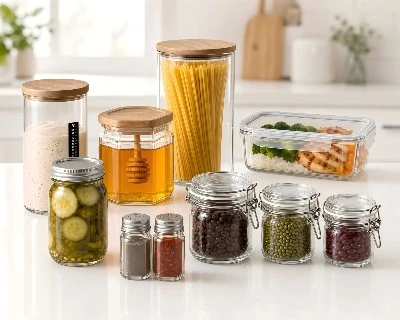
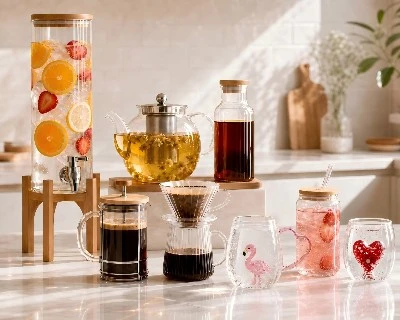
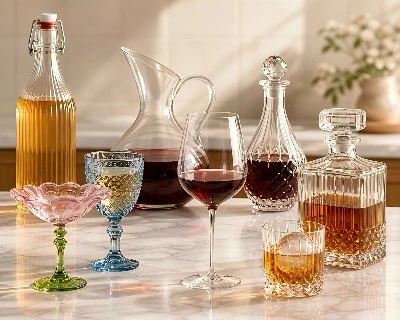

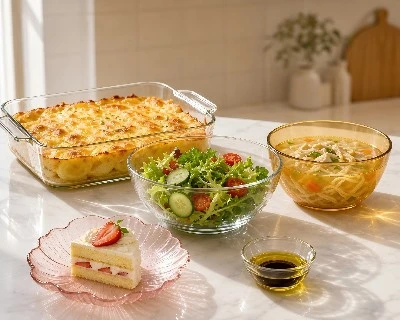


A tumbler is a tumbler, until you watch six people try to use one at a buffet. That is where ranges built one glass at a time fall apart. A host serving a crowd needs pieces that stack, wash in quantity and survive a second helping. A host setting a table for four wants matched stems and a rim that looks right together. One catalog cannot treat both as an afterthought.
The 2027 IHA At-Home Entertaining Survey gives that a concrete shape. 56% of US adults hosted a casual gathering in the past year. 67% bought, or expected to buy, glassware, stemware or drinkware for entertaining. The rest of the survey describes the occasion that glass has to survive, and that is the useful part.
The format sets the range
Start with how people actually serve, not with which glass to make.
Buffet or self-serve leads at 46%. Sit-down comes in at 37%, two points up on last year. Close numbers, very different baskets.
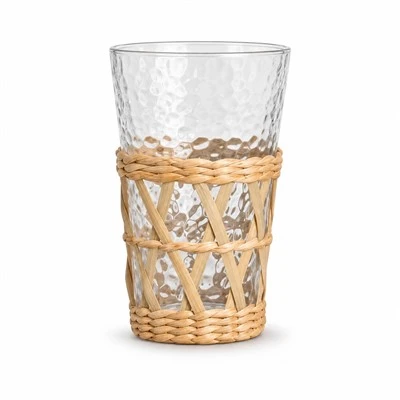
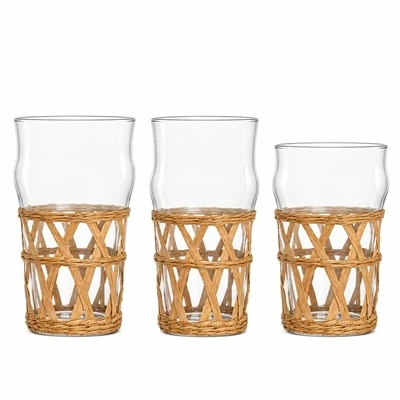
At a buffet the glass gets picked up, set down, passed around and washed by the dozen. Stackable tumblers, pitchers and dispensers do the work. A fine rim is wasted here. A stable base and a shape that nests are not.
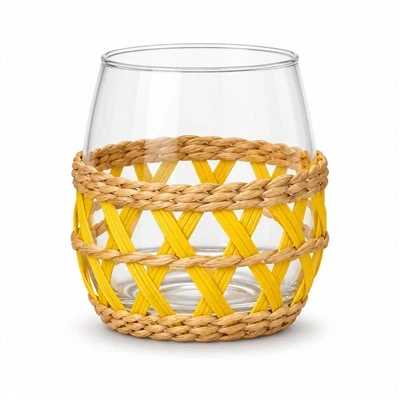
At sit-down the glass sits at a place setting for an hour. Matched stems, a water tumbler, proportions that look right together. Stackability barely registers.
Age splits the range a second way. 35% of Gen Z and Millennial respondents plan to host more often in the year ahead, against 24% of all adults. They buy earlier, in smaller baskets, and they are not shopping for a full service for eight.
Two numbers matter here. 67% puts glassware firmly in the entertaining category. 46% describes the use it will actually get: standing up, in a crowd, washed in quantity.
Three format families
Three families make the range readable on a shelf. Not three price tiers. Three occasions.
Buffet and self-serve. Stackable tumblers, beverage dispensers, pitchers. Clean-up is the hardest part of entertaining according to 27% of respondents, which tells you what to optimize for. If it stacks, nests or clears a dishwasher in quantity, it belongs here. Wide mouths and heavy bases. Skip the fine rim.
Sit-down and occasion. Matched stems, water glasses, one silhouette carried across the table. Occasion gatherings run level with casual ones at 56%, and 66% name a holiday such as Thanksgiving or Friendsgiving as a reason to gather. These moments sell in sets, so matching and pack count become part of the product rather than a packaging detail.
Casual and everyday. Tough multi-use tumblers and barware that move from counter to patio. Highest volume, least formal. It is also where a reusable pitch lands without sounding like a lecture, because the glass gets used often enough to pay for itself against paper cups.
Leave a visible price step between the three. A buffet tumbler and a sit-down stem at the same retail gives a buyer no reason to carry both.
The reusable argument
A sustainability pitch on its own will not shift someone who reaches for paper cups. Two numbers in the survey show why.
71% say sustainability matters. 42% still mostly use disposable dishes and drinkware. The top reason people give for hosting at home is cost, at 42%, just ahead of time with friends and family at 41%.
Read those together. The shopper cares about waste but plans a party on a budget. The argument that lands is the cheaper one: a glass that lasts through a season of gatherings costs less per use than disposables bought for each event. No virtue claim needed.
Three things have to hold up for that to be true. The durability has to be specified, not assumed. The pack has to serve a real group but still be worth opening for one night. The glass has to stack or nest, or storage becomes the reason paper wins again. Miss any one and the shelf talk is just words.
Material choice sits behind all three. Our soda-lime and borosilicate guide covers that decision. Settle it before you set the price steps, since it moves the cost base the whole range stands on.
Merchandising the range
Sort the shelf by occasion and the shopper does less work.
Group by format, not by shape. A bay marked buffet, sit-down and everyday tells a story. A bay marked tumblers, glasses and stems just lists shapes. The survey backs this up: 45% want budget-friendly party ideas, with recipe sharing ranking just as high. A display that suggests the occasion removes a decision.
Give the range two entry points. An opening pack for the first gathering, complete and small enough to commit to. An extension pack of four for the person who already owns the glass and wants to match it. One pack size serves the first buyer and loses the second.
Put a boundary around decoration. Printed and decorated glass sells into occasion ranges, and it is also where the compliance question lives. Ask for the release result on the finished decorated item, not just the clear body, when a print, enamel or metal band is involved.
Negotiate the minimum and the lead time against packs, not single SKUs. A buyer who can hit one minimum for a complete occasion set will list it. A buyer who has to clear a minimum on five separate items usually will not.
What to specify and verify
Four lines in the brief, before anyone cuts a sample.
Assign a format to every SKU, with a reason. Buffet, sit-down or everyday. If you cannot place a glass in one of those, it is probably a filler and the range is better without it.
Write down stackability and pack count. How many pieces nest, the packed height, how many in a retail box. These are the numbers that decide whether the reusable story survives a real kitchen.
Name the durability test. Thermal shock method, annealing method, and the drop or cycle result the piece is released against. Gatherings are hard on glass. A range sold on reuse needs something behind it.
Name the compliance document by market. On decorated pieces, require the lead and cadmium release result for the finished item, and keep it with the range file so a retail buyer can ask once rather than twice.
For teams putting an entertaining assortment together, our glass drinkware, glass barware and tableware and kitchen ranges are quoted with format, pack and test written into the spec.
Questions buyers ask
Is the IHA survey a forecast of sales?
No. It is a survey of what consumers said about their own plans and past behavior in October 2026. The 67% means respondents bought, or thought they would buy, glassware for entertaining at least now and then. Treat it as evidence that the category is live, not as a volume forecast.
Should a range follow the 46% buffet figure exactly?
No. Weight the range toward it, do not copy it. If your market eats more formally, lean harder into sit-down. The number is useful because it stops buffet being treated as the small case.
Does a reusable glass actually save the host money?
It can, if it survives enough gatherings. The saving is a simple trade: how many parties the glass gets through, against how often disposables would have been bought. Sort the durability and the pack size before you put the claim on a shelf card.
What is the fastest way to build a small entertaining range?
One buffet family, one sit-down family, each with an opening and an extension pack. Keep the decoration to one controlled option. Four pieces with a reason to exist will outsell twelve unrelated glasses.
Start with the occasion
If an entertaining range is on your list, tell us the serving format, the retail you are aiming for, the opening pack and the destination market. That gives us enough to put a short range in front of you.
If the design is still open, a capacity, a rough profile and a target price will do to start.