







A glass tumbler valued over $5 carries a 7.2% base duty in the 2026 US tariff schedule. What an importer actually pays on that same tumbler runs from 7.2% to 57.2% depending on where it was made, because four separate duty programmes now sit on top of the base rate. The stacking order, not the product, decides the number.
The duty layers
The 2026 schedule reads as layers, not as a single country rate. Chapter 70 sets the base rate, and Chapter 99 adds everything else.
Each Chapter 99 heading carries its own scope, its own exemption list and its own entry date, which is why two suppliers can quote the same product and both be reading the schedule correctly. HTSUS 2026 Revision 23 has been in force since 10 November 2026, so quotations should be checked against that revision rather than an earlier one.
Two layers that shaped 2025 quotations are gone. The IEEPA tariffs ended in February 2026 after the Supreme Court found no authority for them, with refunds handled through the customs portal. The 10% Section 122 surcharge expired at the close of 23 July 2026. A quotation prepared in the spring and still sitting in an inbox is carrying a ten point layer that no longer applies to a November entry.
The forced labour action is the layer most often missed, because it has nothing to do with glass. It applies by origin to nearly all goods, and it stacks on top of the older China action instead of replacing it. A supplier who describes the total as the 301 duty is merging two separate programmes into one number.
Rates by origin
Take one line, HTS 7013.99.90, glassware for table, kitchen, office or indoor decoration valued over $5 each. The base rate is identical for every origin. Everything below the base is country specific.
Figures are the arithmetic sum of the base rate and the Chapter 99 layers that apply to that origin. Antidumping and countervailing duties, merchandise processing fees and harbour maintenance fees are not included, because AD and CVD depend on the written scope of an order rather than on the tariff number alone. Confirm each line against HTSUS 2026 Revision 23 and the relevant Federal Register notice before a purchase order depends on it.
The EU, Taiwan, Japan, Korea and Switzerland rows work differently from the rest. For those five the Section 301 rate only tops up the combined figure to 10% or 12.5%, and where the base duty already meets the target the Section 301 rate is zero. That is a cap on two layers, not a cap on everything, and it is the most misread part of the schedule.
Canada is the outlier that catches experienced buyers. The 50% Section 338 duty took effect on 22 August 2026 and is not waived by a USMCA certificate of origin, so a Canadian line on the covered list pays the additional duty whether or not the origin claim is valid. The covered list has already been amended once, which is why the line has to be checked rather than assumed. Mexico sits at the other end: a USMCA qualifying entry pays no forced labour duty, leaving the 7.2% base and nothing else.
Value brackets matter as much as origin. Within 7013.99 the base rate steps from 7.2% over $5 to 11.3% between $3 and $5, and to 30% between $0.30 and $3. On lead crystal stemware the base rate is higher again, at 15% for pieces valued not over $1 each, so the same layers compound from a larger starting point. A supplier who quotes one rate for a product range without stating the bracket has skipped the first variable in the calculation.
What it means for buyers
The spread between origins is wide enough to decide which programme is viable, so it belongs in the specification stage rather than the shipping stage.
On a $30,000 order of the tumbler above, the duty alone runs from about $2,160 at 7.2% to about $8,160 at 27.2%. That is $6,000 on one container before freight, and on a private label programme priced at retail multiples of three it is the entire margin. The same calculation on a Canadian line reaching 57.2% removes roughly $17,000 from the same order.
Three things change in the buying process. First, classify to ten digits before the first quotation rather than after the first shipment, and ask for the value bracket in writing. The step between 7013.99.60 and 7013.99.90 is a base rate step, and moving from 7013.22 to 7013.37 changes the subheading and the base rate again. Second, put the duty allocation into the contract. A DDP price that does not name which Chapter 99 headings it covers is not a price but an opening position, so name the headings and state which party absorbs a new one added during the production window. Third, run the same specification through more than one origin, holding mould, material and packing constant so that the comparison measures the tariff instead of the product.
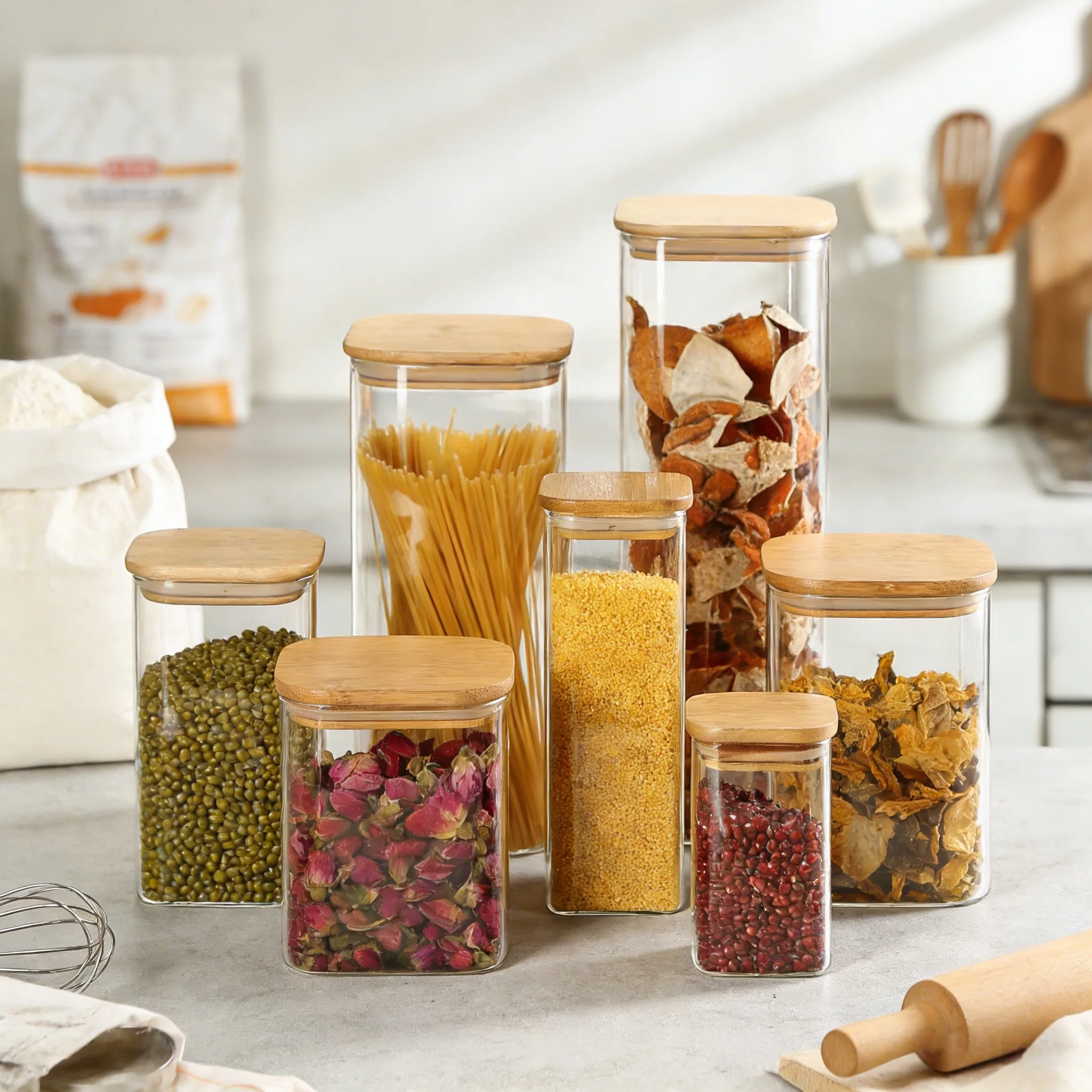
That third step is where a factory conversation earns its keep. Our glass drinkware and glass barware programmes are usually specified on one specification sheet used across several production options, and the same approach works for storage formats across the glass jar and storage range.
Duty is assessed at entry for consumption, not at order date and not at ship date. On a 30 to 60 day production lead time plus ocean transit, a quotation that locks a rate to the order date is quoting a rate that may not exist on the day the container clears.
What to verify before you order
Ask for written answers to these points before a purchase order is confirmed, and keep the answers with the shipment file.
One further check belongs on the list. The China exclusions that USTR extended from 10 November 2026 to 9 January 2027 are written against specific tariff lines in industrial and medical categories. Confirm whether your line is among them rather than assuming an extension reaches glassware, and note the date itself, because it is the next point at which the calculation can change.
Frequently asked questions
Three questions that come up on almost every US bound glassware programme this quarter.
Is the 12.5% forced labour duty the same as the China Section 301 duty?
No. They are separate investigations under the same statute, carried on separate Chapter 99 headings, and for China origin glassware both apply. The older China action sits at 7.5% or 25% depending on the list, and the forced labour action adds 12.5% on top. Treating them as one rate understates the landed cost by at least 7.5 points.
Does USMCA remove the duty on Canadian glassware?
Not on lines covered by Section 338. The 50% additional duty applies regardless of a valid certificate of origin, and it stacks on the ordinary rate. USMCA relief does apply to the forced labour action for qualifying Canadian and Mexican goods, which is a different measure with a different outcome, so the two need to be checked separately rather than together.
Is the 10% global tariff still in force?
No. The Section 122 surcharge ran from 24 February 2026 and expired at the close of 23 July 2026. Entries after that date do not carry it, so a quotation that still includes the layer overstates the landed cost by ten points. Older International Emergency Economic Powers Act tariffs ended in February 2026 as well, with refunds handled through the customs portal.
Check the line before you place the order
If a US bound glassware programme is on your list, send the item, the ten digit tariff line you have been quoted, the intended origin and the planned entry date. That is enough to compare the duty layers on a like for like basis and to see where the specification can absorb the difference.
Where the design is still open, a capacity, a profile and a target retail price are enough to start, because the value bracket usually settles the rest of the calculation.