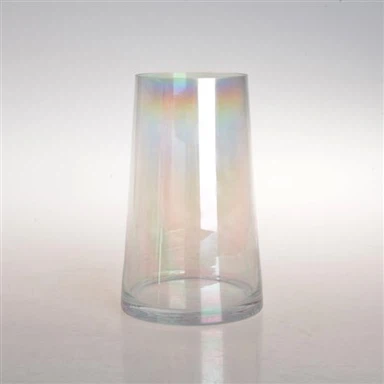
The Difference Between Glass Storage Jars And Plastic Storage Jars
Mar 11, 2024
The differences between glass storage jars and plastic storage containers can be described as follows:
Material: Glass storage jars are made of glass, while plastic storage containers are made of plastic.
Transparency: Glass storage jars are transparent, allowing you to easily see the contents inside. Plastic storage containers can vary in transparency, but they are generally less clear than glass.
Fragility: Glass storage jars are more fragile and can break if dropped or mishandled. Plastic storage containers are more durable and resistant to breakage, making them a safer option for certain environments.
Odor and stain resistance: Glass is non-porous and non-reactive, which means it does not absorb odors or stains from the stored items. Plastic, on the other hand, can absorb odors and stains over time.
Chemical safety: Glass is considered a more inert material compared to plastic, meaning it is less likely to leach potentially harmful chemicals into the stored food or liquids. Plastic containers may contain chemicals like BPA (bisphenol A) or phthalates, which can be a concern for some people.
Heat resistance: Glass storage jars can withstand high temperatures, making them suitable for hot liquids or for use in ovens or microwaves. Plastic storage containers have varying degrees of heat resistance, and not all types of plastic can withstand high temperatures without warping or releasing harmful substances.
Environmental impact: Glass is considered more environmentally friendly as it is recyclable and can be reused multiple times without losing its quality. Plastic, especially single-use or low-quality plastics, contributes to environmental pollution and takes a long time to degrade.
These are some of the key differences between glass storage jars and plastic storage containers. The choice between the two depends on personal preferences, the intended use, and factors such as durability, transparency, and safety concerns.