





Introduction:
Glass products have become an integral part of our everyday lives due to their versatility, transparency, and durability. From household items to industrial applications, glass finds its utility in numerous sectors. This article explores the various uses of glass products, their application scenarios, and important precautions to consider.
Applications:
Architecture and Construction: Glass is widely used in architecture for windows, doors, and facades. Its transparency allows natural light to enter buildings, reducing the need for artificial lighting. Additionally, glass can be laminated or tempered for enhanced safety and insulation properties.
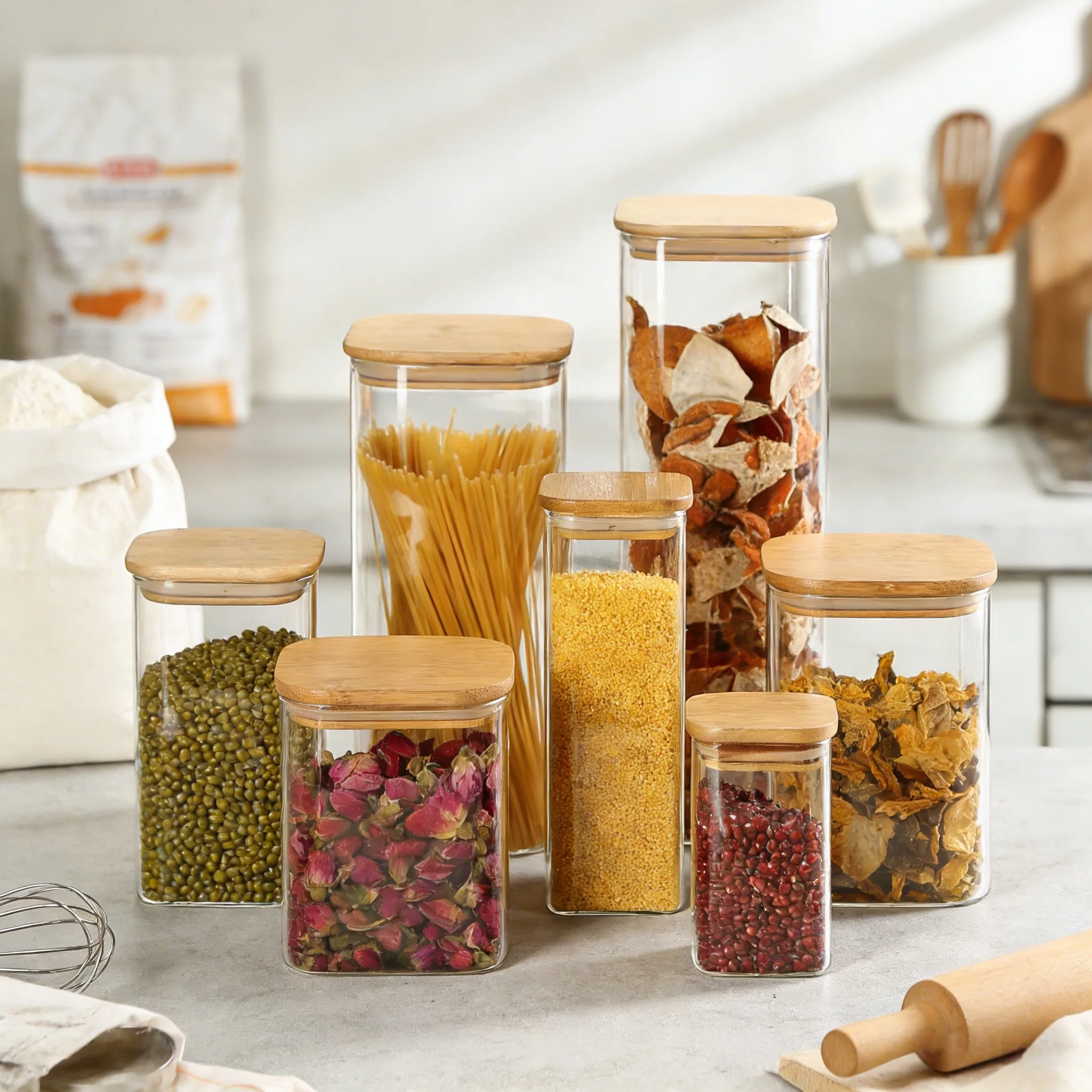
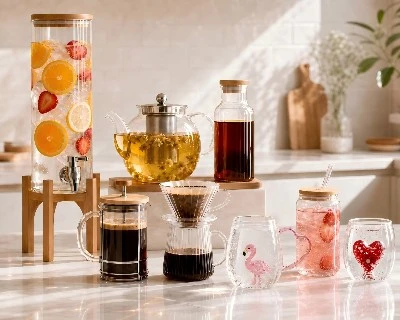
Food and Beverage Packaging: Glass containers are a popular choice for packaging food and beverages. They are impermeable, preserving the taste and quality of the contents while ensuring hygiene. Glass bottles are also recyclable, making them an environmentally friendly option.
Laboratory and Scientific Instruments: Glassware plays a crucial role in laboratories and scientific research. Its inert properties make it suitable for storing chemicals, conducting experiments, and creating precision instruments like test tubes, beakers, and slides.
Transportation: Glass is extensively used in the automotive industry for windshields, windows, and mirrors. It provides visibility, protects passengers from external elements, and contributes to the overall structural integrity of vehicles.
Usage Scenarios:
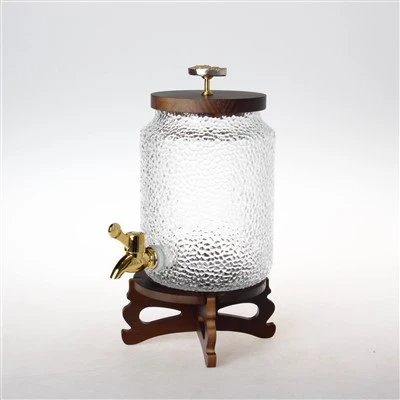
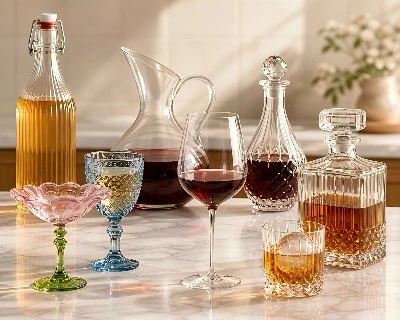
Home Decor: Glass products, such as decorative vases, bowls, and ornaments, add elegance and style to interior design. They can reflect light, creating an illusion of space and enhancing the aesthetics of a room.
Display and Signage: Glass panels and shelves are commonly used in retail stores and exhibitions to showcase products and artwork. Glass signage and display cases offer visibility while protecting the items from damage or theft.
Solar Panels: Glass is an integral component of solar panels, allowing sunlight to pass through and be converted into electricity. Its durability and weather resistance make it suitable for outdoor installations.
Precautions:
Fragility: Although glass is durable, it can break under certain circumstances. Handle glass products with care to avoid accidental drops or impacts. When cleaning or moving glass items, use appropriate padding or protective gear.
Thermal Expansion: Glass expands and contracts with temperature changes. Avoid sudden temperature differentials, as they can cause stress and lead to breakage. Gradual heating or cooling is recommended.
Sharp Edges: Broken glass can have sharp edges that pose a risk of injury. Clean up any glass fragments carefully, and dispose of them in a safe manner. When handling broken glass, wear gloves and use tools to minimize direct contact.
Conclusion:
Glass products find widespread application in various fields, ranging from construction to packaging and scientific research. Their versatility, transparency, and durability make them a favored choice. By understanding the diverse uses of glass, considering proper precautions, and handling them with care, we can fully leverage the benefits offered by this remarkable material.